Why Custom Flyer Design Still Matters in Modern Marketing
Custom Flyer Design
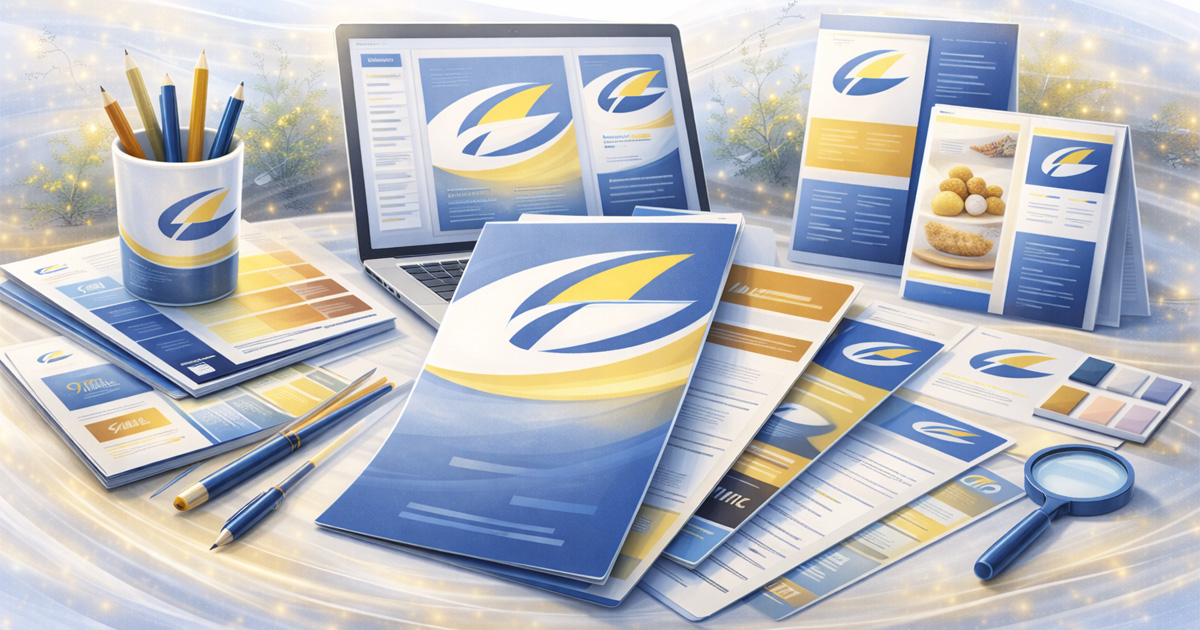
Custom flyer design remains one of the most direct and effective forms of promotional communication available to businesses today. In an environment saturated with digital messaging, social media ads, and constant online notifications, physical and downloadable flyers continue to deliver immediate impact. A flyer condenses a focused message into a visually compelling format designed for quick understanding and action. Whether distributed in print, shared digitally, handed out at events, included in mailers, or posted within community spaces, a professionally designed flyer serves as a concise promotional tool that bridges attention and action.
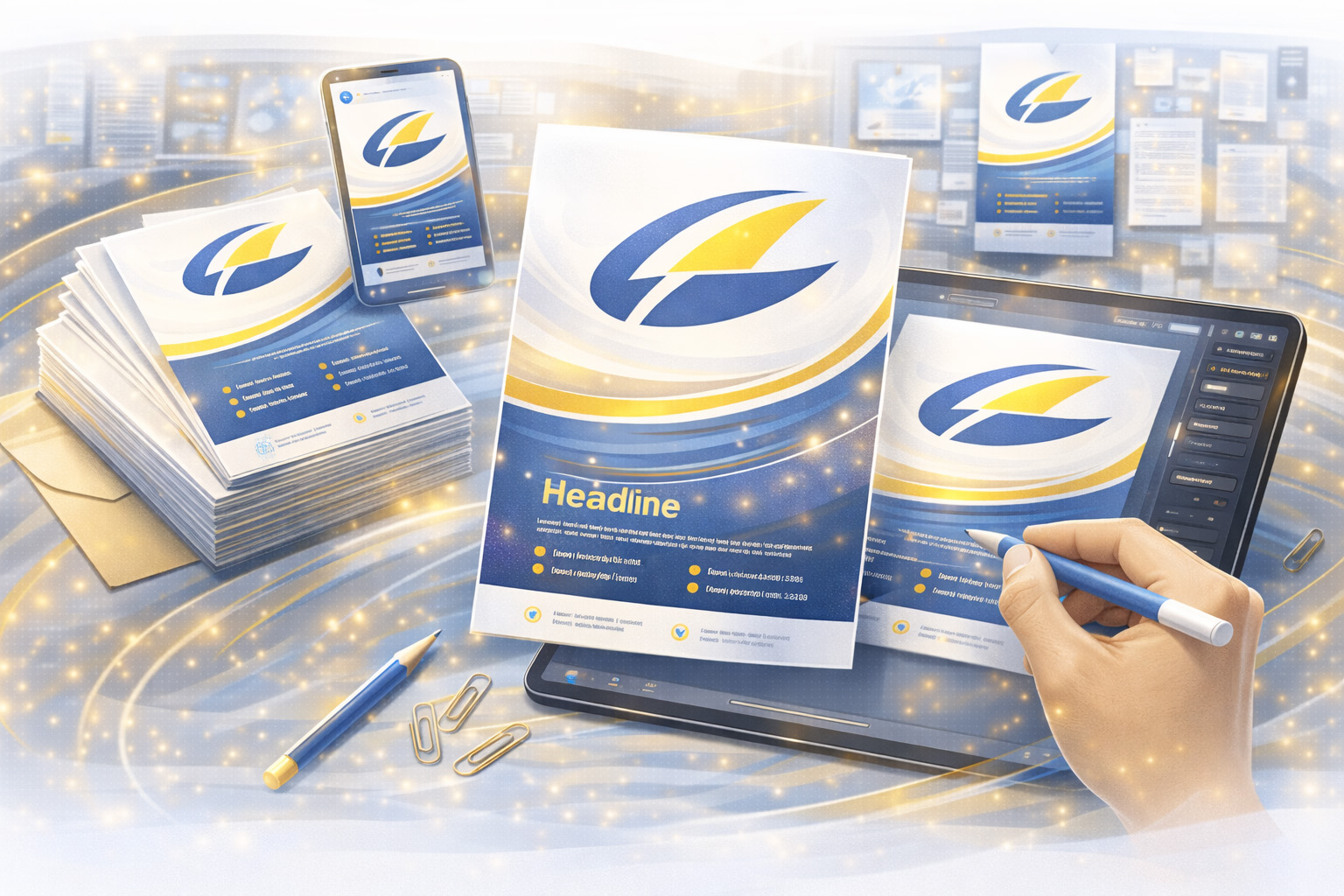
Despite their apparent simplicity, flyers require thoughtful design strategy to perform effectively. Businesses frequently underestimate the importance of structure, hierarchy, and brand alignment when creating short-term promotional materials. While it may be tempting to assemble a quick layout using default templates or improvised formatting, poorly designed flyers often fail to communicate clearly, dilute brand identity, or overwhelm readers with visual clutter. A professionally crafted flyer, by contrast, guides the viewer’s attention deliberately, prioritizes key information, and reinforces the credibility of the organization behind it.
Custom flyer design ensures that every visual and structural element works together intentionally. Instead of appearing rushed or inconsistent, your promotional material communicates clarity, professionalism, and purpose. Even in fast-moving campaigns, presentation matters. A well-designed flyer not only attracts attention but also strengthens trust in your brand.
Why Flyer Design Matters
Flyers operate within a narrow window of attention. Unlike long-form marketing materials, brochures, or websites that allow extended engagement, flyers must communicate essential information within seconds. When someone picks up a flyer, scrolls past it digitally, or glances at it posted in a public setting, they make immediate judgments about its relevance and legitimacy. If the layout appears cluttered, confusing, or unbalanced, the message may be dismissed without further consideration.
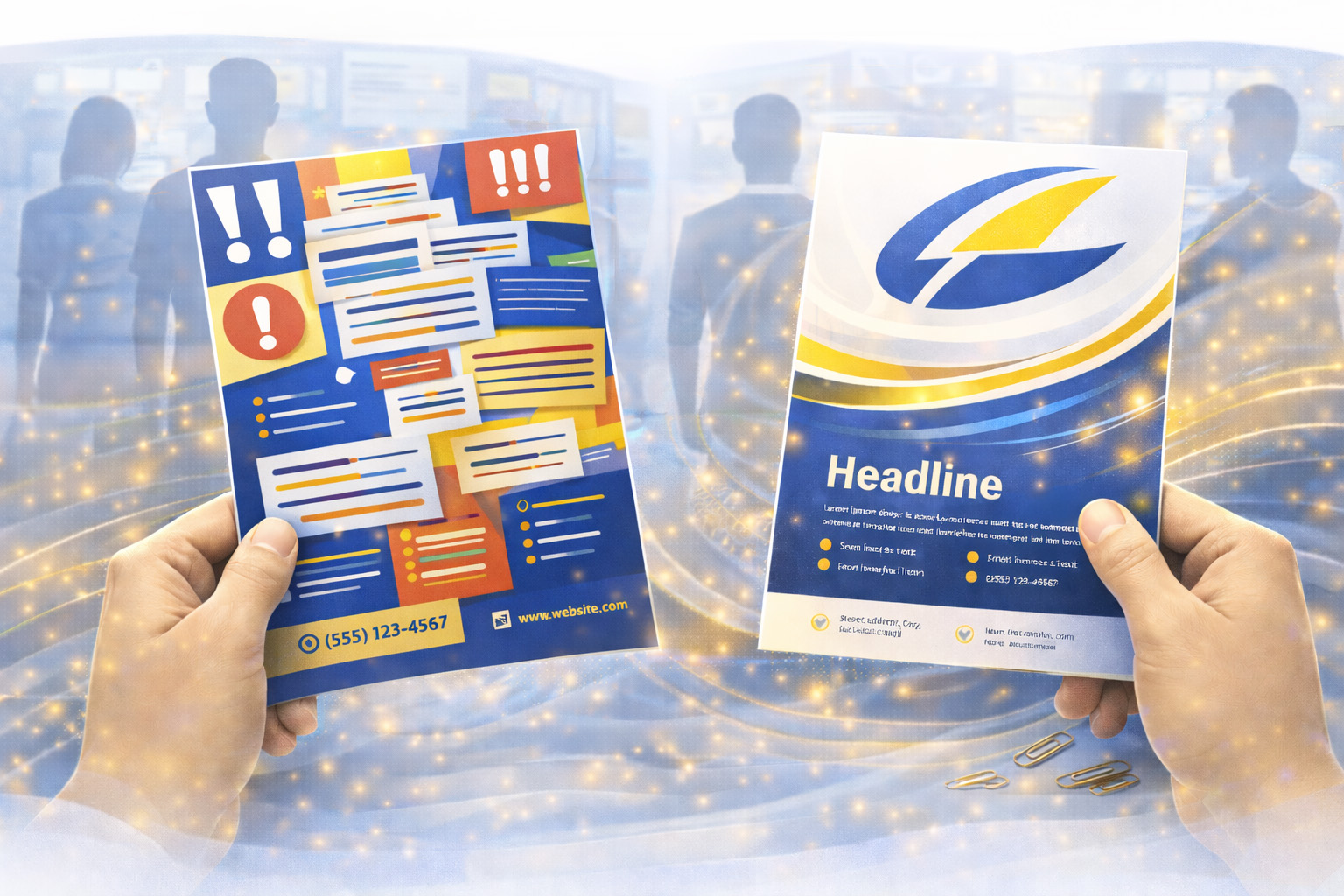
Professional flyer design addresses this challenge through hierarchy and clarity. Visual hierarchy determines what the reader sees first, second, and third. Headlines must command attention without overpowering supporting details. Subheadings and body text must provide context while remaining concise. Calls to action must be visible and unmistakable. Spacing must allow the content to breathe so the viewer does not experience cognitive overload. When these elements are executed effectively, the reader moves naturally through the information and understands both the offer and the next step.
In addition to structural clarity, brand alignment plays a crucial role in flyer effectiveness. A flyer that visually matches your established brand identity strengthens recognition and consistency. When color palettes, typography, logo placement, and layout logic align with your broader marketing materials, your business appears organized and credible. Even short-term promotions benefit from long-term brand consistency. Recognition builds familiarity, and familiarity reduces perceived risk. In competitive environments, this subtle reinforcement can influence engagement decisions.
The Role of Flyers in Modern Marketing
Although digital advertising dominates many marketing conversations, flyers maintain unique advantages that complement online strategies. They function well in local outreach efforts, community events, retail promotions, nonprofit fundraising, and service announcements. Flyers can be placed directly into the hands of potential customers, posted in relevant physical locations, included within packages, or shared digitally as downloadable assets. This flexibility makes them particularly valuable for small to mid-sized businesses seeking cost-effective promotional tools.

Flyers also bridge physical and digital channels. A print flyer can direct recipients to a website, landing page, event registration form, or QR code. A digital flyer can be distributed via email campaigns, social media posts, and online communities while maintaining the same design integrity as printed versions. When crafted strategically, a single flyer design can serve multiple distribution methods without compromising visual quality.
This adaptability reinforces the importance of professional preparation. A flyer must be designed with print resolution, digital scalability, and readability across formats in mind. Margins, bleed settings, color profiles, and file preparation standards all influence final output. Without careful attention to these details, even strong creative concepts can lose effectiveness during production.
What a Well-Designed Flyer Represents
A professionally designed flyer communicates more than an offer. It represents organization, preparedness, and attention to detail. When a business invests in thoughtful promotional design, it signals seriousness about the campaign and respect for the audience’s time. Clean alignment, consistent typography, and balanced spacing reflect internal discipline. Readers often associate visual structure with operational competence.

Clarity within a flyer also demonstrates transparency. If dates, locations, pricing, or special terms are presented in a straightforward manner, potential customers feel more confident engaging with the offer. Conversely, disorganized layouts or ambiguous formatting may create hesitation. In short, design influences perception long before direct interaction occurs.
For event promotions, this perception is especially important. A well-designed event flyer builds anticipation and communicates professionalism. For sales promotions, it reinforces legitimacy. For service announcements, it conveys reliability. Regardless of purpose, a flyer becomes a representation of your brand in condensed form.
The Strategic Elements of Effective Flyer Design
Effective flyer design relies on several foundational principles that ensure clarity and impact. Hierarchy remains central. The headline must immediately communicate the core message or benefit. Supporting details should provide necessary context without overwhelming the layout. The call to action must remain visible and unmistakable. Readers should never have to search for critical information.

Typography selection influences both readability and tone. Professional flyer design avoids excessive font variations that create visual confusion. Instead, it uses a limited, complementary type system that aligns with the brand identity. Proper spacing between lines and sections enhances comprehension and prevents visual fatigue.
Color usage requires strategic restraint. While vibrant palettes may attract attention, overuse of color can reduce legibility. Designers evaluate contrast carefully to ensure that text remains readable in both print and digital environments. The brand’s established color system should guide these decisions to maintain consistency across marketing assets.
Imagery and graphics must serve the message rather than distract from it. High-quality visuals reinforce credibility, while low-resolution or irrelevant imagery weakens impact. In many cases, simplicity enhances effectiveness. Negative space provides breathing room and allows key elements to stand out clearly.
Professional Production Considerations
Designing a flyer involves more than arranging visual elements. Production standards influence the final result significantly. Print-ready files must meet resolution requirements, typically 300 DPI for high-quality output. Bleed margins must be included to prevent unintended white edges after trimming. Color settings must align with CMYK standards for print while maintaining adaptability for RGB digital use.

Paper selection also affects perception. Matte finishes communicate subtle professionalism, while glossy finishes emphasize vibrancy. Weight and thickness influence durability and tactile impression. Professional design anticipates these choices, ensuring the layout performs well regardless of production variation.
Digital distribution introduces additional considerations. File sizes must remain manageable for email sharing without compromising clarity. Layout proportions must display properly across screens. When QR codes are included, they must be sized and positioned for reliable scanning. Each technical detail contributes to overall usability.
Flyer Design Within a Broader Branding System
Custom flyer design functions most effectively when integrated into a comprehensive branding framework. Promotional materials should not exist in isolation. Instead, they should reflect the same visual direction established by the logo, website, business cards, social media graphics, banners, and other marketing collateral.

When customers encounter consistent branding across platforms, recognition strengthens. Repetition reinforces memory. A flyer that visually aligns with other materials feels intentional rather than improvised. This cohesion enhances perceived stability and professionalism.
Integrated branding also streamlines future campaigns. Once design standards are established, subsequent promotional materials can be developed efficiently without sacrificing consistency. Over time, this disciplined approach builds cumulative brand equity.
When to Invest in Professional Flyer Design
Businesses often turn to custom flyer design during key promotional moments. Event launches, seasonal sales, limited-time offers, grand openings, community initiatives, and service expansions frequently require concise, high-impact communication. These moments represent opportunities to attract new attention or reengage existing audiences.

Investing in professional flyer design during these transitions ensures that promotional energy translates into measurable results. Rather than relying on generic templates or rushed layouts, businesses benefit from strategic presentation aligned with clear objectives.
Flyers also provide value for recurring campaigns. Organizations that host annual events or regular promotions can establish visual continuity year over year while refreshing design elements for updated relevance. This balance between familiarity and renewal supports long-term brand recognition.
The Long-Term Value of Professional Flyer Design
Compared to large-scale advertising initiatives, flyer design represents a modest financial investment. Yet its influence extends beyond a single campaign. A well-designed flyer contributes to brand perception, reinforces recognition, and supports action-driven communication. When integrated into broader marketing efforts, it amplifies impact across channels.
Each distribution instance becomes an opportunity to reinforce credibility. Each impression contributes to awareness. Over time, these accumulated exposures strengthen familiarity and trust. In many cases, the clarity of a single flyer can influence purchasing decisions more directly than prolonged exposure to less focused advertising.
Custom flyer design ensures that your message is not only seen but understood. It transforms a simple sheet of paper or digital graphic into a strategic communication asset. By aligning structure, branding, clarity, and production standards, professional flyer design supports both immediate promotional goals and long-term brand growth.
If your business is preparing for a promotion, event, announcement, or campaign, a professionally designed flyer can help ensure that your message stands out for the right reasons. Clear communication paired with intentional branding creates momentum. Momentum builds results.

Flyer Design
Turn your offer into a clean, bold flyer that looks great and gets results.