
Why Professional Letterhead Design Still Matters in a Digital Business World
Professional Letterhead Design
When business owners evaluate branding investments, letterhead design is often underestimated. In an era dominated by websites, social media platforms, email marketing, and digital advertising, it can seem as though printed materials have lost their influence. However, letterhead design remains a powerful component of professional branding, particularly in situations where credibility, authority, and formal communication matter most.
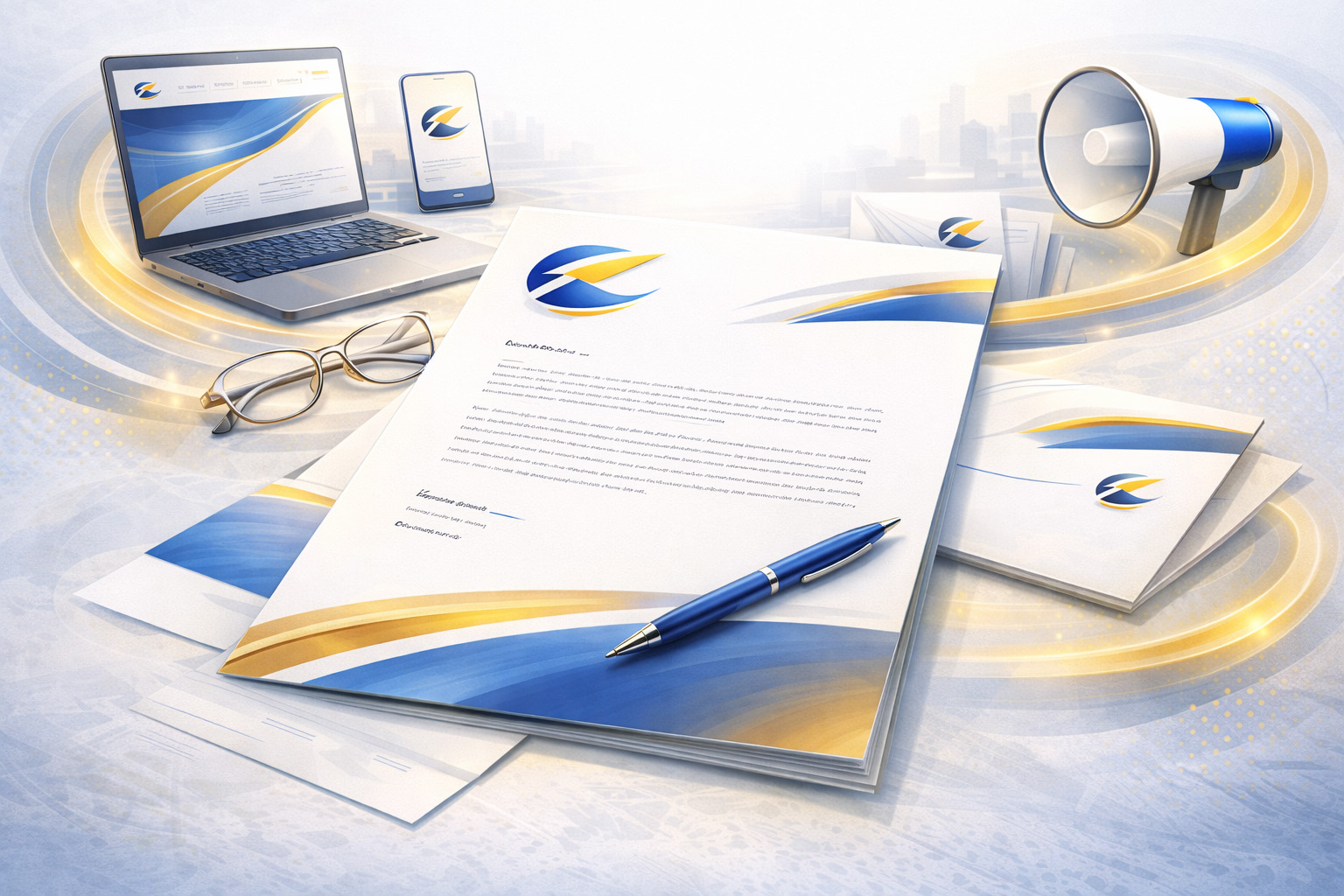
A custom letterhead design does far more than decorate the top of a page. It signals legitimacy. It reinforces brand identity. It communicates consistency. Most importantly, it transforms routine documents into cohesive brand experiences. Proposals, contracts, invoices, reports, formal correspondence, and even digital PDFs carry more weight when presented on professionally designed letterhead. The presence of structured branding communicates that the business behind the document is organized, established, and intentional.
Letterhead is often one of the first tangible brand assets someone sees after deciding to take a business seriously. When a prospective client requests a proposal or contract, they are already evaluating risk. They are asking whether the company they are engaging is stable, detail-oriented, and trustworthy. A clean, professionally designed letterhead reinforces those qualities instantly. A generic template or inconsistent layout does the opposite. Subtle design inconsistencies can quietly introduce doubt, even if the content of the document is strong.
Professional letterhead design is not about decoration. It is about perception management. It is about ensuring that every official document reflects the same standards displayed on a company’s website, social profiles, and marketing materials. Branding must extend beyond the homepage. It must follow the business into every formal interaction.
Understanding What Letterhead Design Represents
Letterhead is more than a header containing a logo and contact information. It represents the structured identity of the organization. It establishes hierarchy, visual balance, and brand presence in a document that may contain legally binding language or financial commitments. In many industries, official documentation still carries significant influence. Legal firms, consulting companies, construction businesses, medical practices, nonprofit organizations, engineering firms, and financial service providers routinely exchange documents that must communicate authority and clarity.

When a document is delivered on thoughtfully designed letterhead, it feels official. The layout frames the content. It guides the reader’s eye. It creates visual breathing room that enhances readability. It subtly reinforces brand colors and typography, helping recipients connect the document to the broader identity of the organization. Over time, consistent use of letterhead strengthens brand recognition, even if recipients are not consciously analyzing the design.
The psychological impact of presentation should not be underestimated. People assess visual cues rapidly. Clean alignment, consistent typography, balanced spacing, and appropriate use of color all contribute to perceived professionalism. Conversely, crowded headers, inconsistent font usage, and mismatched colors create friction. That friction may not always be verbalized, but it influences how seriously a document is taken.
The Strategic Role of Letterhead in Branding
Branding is often associated with logos, websites, and advertising campaigns. However, brand credibility is built in moments of formal interaction. When a company sends a proposal outlining services and pricing, the structure and presentation of that proposal contribute to the client’s perception of competence. Letterhead functions as the visual anchor for these interactions.

A well-designed letterhead aligns with existing brand assets. It reflects the logo’s positioning, the established color palette, and the chosen typography system. It maintains consistent margins and spacing standards that mirror the brand’s website and marketing materials. This cohesion signals that the business operates with systems in place rather than improvisation.
Consistency across brand touchpoints builds trust. When a potential client sees the same visual identity across the website, email communications, printed materials, and official documents, it reinforces stability. Businesses that appear organized are perceived as more reliable. Reliability influences purchasing decisions, especially in higher-ticket industries.
Letterhead also plays a practical role in internal operations. Teams benefit from standardized templates that reduce formatting inconsistencies. Instead of recreating layouts for each document, employees can focus on content while maintaining brand alignment. This efficiency ensures that branding remains intact even as the organization grows.
Why Custom Letterhead Still Matters in a Digital Environment
It is common to assume that digital communication has replaced traditional letterhead. However, many official documents are still exchanged as downloadable PDFs, email attachments, or digitally signed files. In these formats, letterhead remains just as important as in printed form. A well-designed letterhead ensures that digital documents maintain visual authority.

Digital letterhead must function seamlessly in multiple contexts. It must print cleanly without distortion. It must display accurately on screens of varying sizes. It must allow for electronic signatures without disrupting layout balance. Designing for both digital and print usability requires attention to resolution, spacing, and file formatting.
In proposals and contracts, letterhead contributes to perceived value. Clients often equate presentation quality with service quality. If a proposal arrives in a generic template with inconsistent branding, it may subconsciously reduce perceived investment value. Conversely, a structured, branded layout suggests that the business takes its work seriously.
Invoices and financial documents also benefit from professional presentation. Clear formatting reduces confusion. Consistent brand elements reinforce legitimacy. Vendors and partners are more likely to treat documents with priority when they appear organized and official.
In industries where compliance and documentation are critical, such as healthcare, construction, or legal services, presentation standards carry even greater weight. Letterhead becomes part of the professional expectation.
The Risks of Generic Templates and Inconsistent Design
Many businesses begin with downloadable templates or basic word processing formats to create letterhead. While these templates provide a starting point, they often lack customization that aligns with a company’s established brand identity. The result is visual inconsistency. Logo placement may be awkward. Margins may not align with the brand’s web design standards. Typography may conflict with the company’s established fonts.

These inconsistencies accumulate over time. As more documents are created, slight variations appear. One proposal may have a different header alignment than another. An invoice may use a different font weight. Contact information may shift position across documents. While each variation may seem minor, together they create a fragmented brand image.
Fragmentation weakens brand cohesion. Clients may not consciously notice the differences, but they register the lack of uniformity. In competitive markets, subtle perception differences influence decisions.
Custom letterhead design eliminates these issues by establishing a finalized layout that can be reused consistently. It ensures that logo placement, spacing, color usage, and typography are intentional rather than improvised.
What Goes Into Professional Letterhead Design
Designing effective letterhead requires more than placing a logo at the top of a page. It involves careful consideration of hierarchy, alignment, and white space. The goal is to create a layout that enhances content rather than competing with it.
Typography must be selected with readability in mind. Body text areas should remain uncluttered, allowing the document’s message to remain clear. Header sections must balance brand presence with functional space. Contact details should be accessible without overwhelming the layout.

Color usage should be subtle and strategic. Overuse of bold brand colors can distract from document content. Thoughtful integration reinforces identity without dominating the page. The overall composition should feel refined and professional.
Usability is equally important. The layout must allow sufficient margin space for printing and binding. It must function within standard paper sizes. It must remain adaptable for different types of documents, including letters, proposals, and reports.
Professional designers also ensure that letterhead files are delivered in practical formats. Editable digital templates allow businesses to apply the design to daily documents easily. Print-ready versions ensure that physical copies reproduce accurately.
Letterhead and Brand Authority
Brand authority develops through repetition and consistency. Every official document sent under a company’s name contributes to its reputation. When those documents consistently display structured branding, authority accumulates.
Clients often retain documents for future reference. Each time they revisit a proposal or contract, they encounter the same visual identity. Over time, this repetition strengthens familiarity. Familiarity reduces perceived risk.

Authority also extends to partnerships and vendor relationships. When businesses communicate with structured, branded documentation, they position themselves as established players rather than informal operators.
For growing companies seeking to move into higher-value markets, presentation becomes increasingly important. Larger clients expect professional documentation standards. Letterhead design supports that transition by elevating brand perception.
Integrating Letterhead Into a Broader Branding System
Letterhead works best as part of a cohesive branding system. It should align seamlessly with business cards, envelopes, invoices, email signatures, and website design. Each asset reinforces the others.
When branding elements are unified, businesses present a coherent identity. This coherence strengthens recognition. It also simplifies design decisions for future materials. With established layout principles, new documents can be created efficiently without sacrificing alignment.

A branding system ensures that as businesses expand into new marketing channels, the visual identity remains consistent. Whether launching new service lines, entering new markets, or adding team members, the core design foundation remains intact.
Letterhead design may appear small in isolation, but within a branding system, it plays a significant supporting role. It reinforces professionalism at every formal touchpoint.
When to Upgrade or Introduce Custom Letterhead
Businesses often consider custom letterhead when transitioning from informal operations to more structured growth. Introducing professional documentation standards signals maturity. It communicates readiness for larger contracts and partnerships.
Companies upgrading from generic templates frequently notice immediate improvement in brand cohesion. Internally, teams feel more confident presenting documents. Externally, clients respond positively to elevated presentation.

Even businesses that already have a logo may lack structured letterhead design. Aligning documentation with established branding strengthens consistency.
Redesigning letterhead may also be appropriate following a logo refresh or broader rebranding initiative. Ensuring that documentation reflects updated brand standards prevents mixed messaging.
The Long-Term Value of Professional Letterhead Design
Professional letterhead design is a relatively modest investment compared to large-scale marketing campaigns. However, its influence extends into every official interaction a business conducts. Each proposal, invoice, report, and letter becomes an opportunity to reinforce brand credibility.
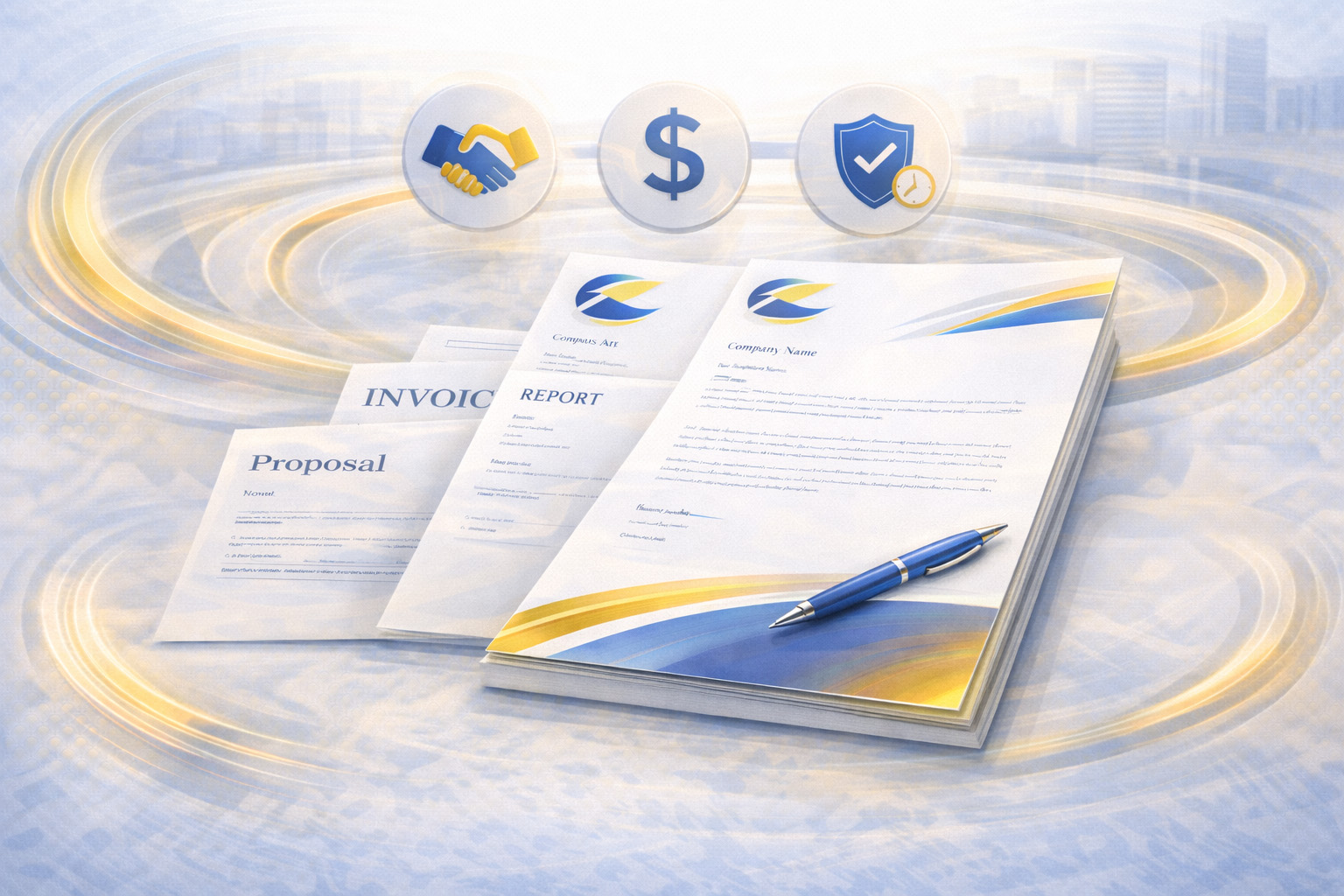
Unlike advertising, which reaches broad audiences, letterhead reaches individuals already engaged with the business. These moments carry significant weight. Strengthening trust at these stages can influence contract approvals and ongoing relationships.
Over time, consistent use of professionally designed letterhead contributes to brand equity. It supports the perception of stability, organization, and professionalism. These qualities are essential for sustained growth.
Conclusion
In a digital business landscape, presentation still matters. Professional letterhead design reinforces credibility, strengthens brand identity, and enhances every formal document a business sends. It aligns visual identity across proposals, contracts, invoices, and digital communications. It transforms ordinary paperwork into structured brand experiences.
Generic templates may provide temporary convenience, but custom letterhead builds long-term consistency. It ensures that every document reflects the same professionalism displayed on a company’s website and marketing materials. For businesses seeking to elevate their presence, strengthen trust, and maintain cohesive branding, professional letterhead design remains an essential component of the broader brand system.
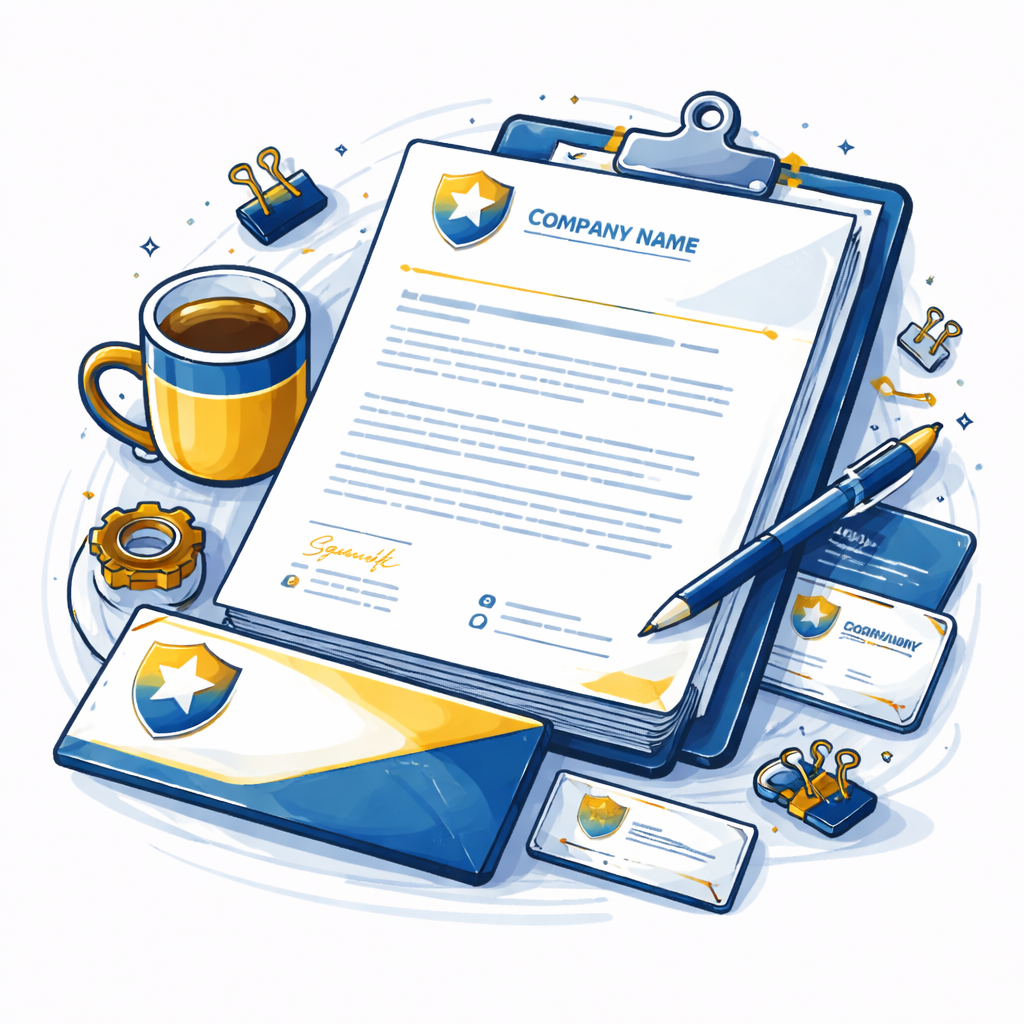
Letterhead Design
Let’s give your business paperwork the same sharp branding as your website and logo.